
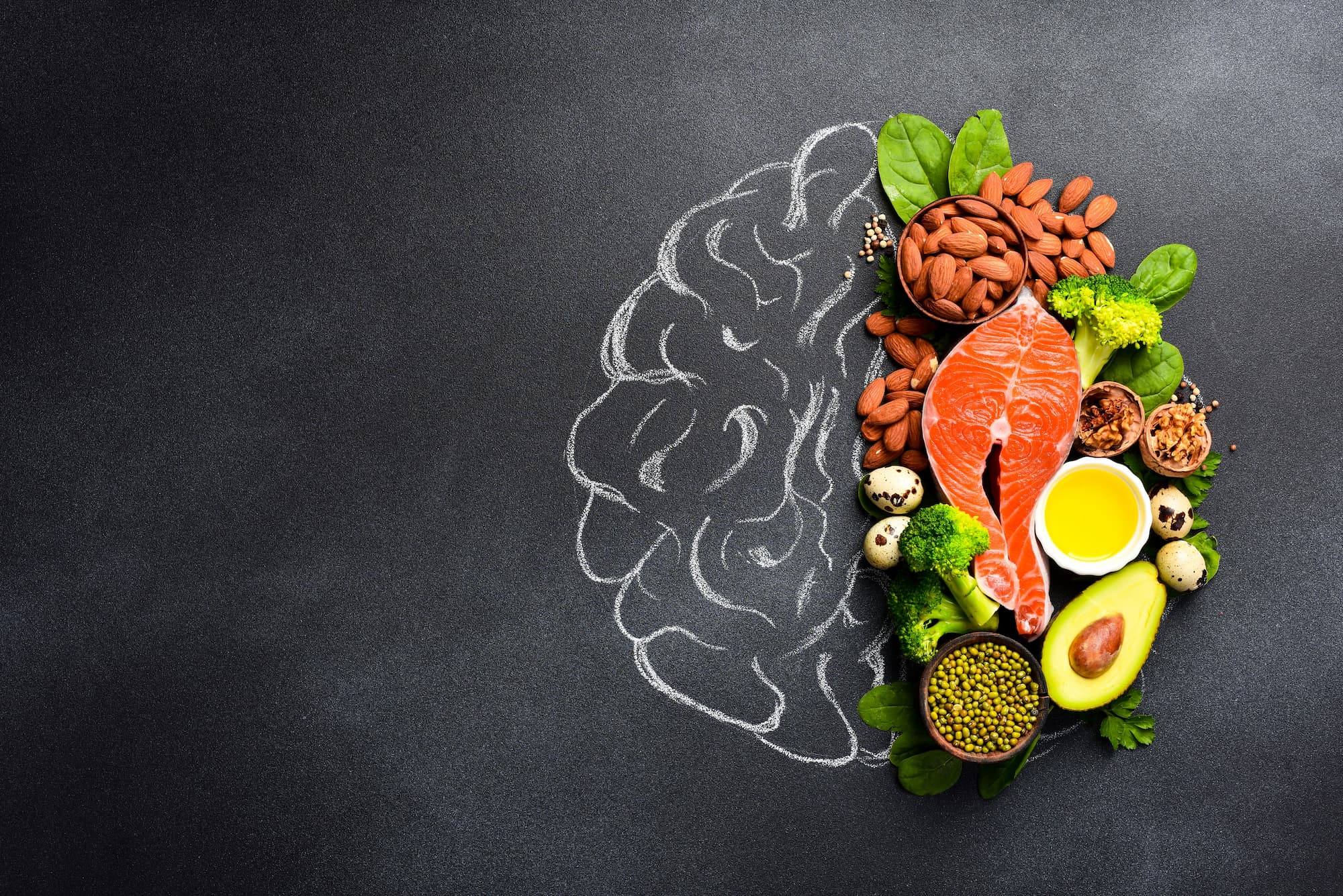
At The Carrington at Lincolnwood, we meet many older adults who are doing the right things for their health—staying active, keeping up with doctors’ visits, building a routine. Then they ask a thoughtful question: Is there anything I can eat that helps my brain stay sharp?
The short answer is yes. Good nutrition is one of the most consistent tools we have for supporting memory, focus and mood over time. The food you eat fuels the brain the same way it fuels the heart and muscles. When you choose a diet for brain health, you are also supporting energy, sleep quality and resilience. That matters for nutrition and learning too, because learning does not stop after retirement. It simply changes—from new hobbies to technology skills to remembering names in a new community.
Below is a practical guide to how nutrition supports cognitive health, which nutrients matter most and how simple meal strategies can reduce the risk of cognitive decline.
How Food Helps the Brain Grow and Adapt
The brain is never “done” growing. Even in later life, it continues to form new connections, repair cells and adapt. That ability to change is called plasticity, and it is influenced by the quality of nutrients you provide.
Your brain depends on a steady supply of:
- Energy to support thinking, attention and reaction time
- Healthy fats to maintain cell membranes and support communication between brain cells
- Protein building blocks to create neurotransmitters that influence mood and memory
- Vitamins and minerals to protect brain tissue from oxidative stress and inflammation
When nutrition is inconsistent—too much added sugar, not enough protein, frequent dehydration—people often notice the “daily” symptoms first: brain fog, irritability, fatigue and trouble concentrating. Over time, those patterns can influence long-term cognitive health.
At The Carrington, we think of meals as part of a resident’s wellness plan. Food should be enjoyable, but it should also be supportive.
How Diet and Daily Habits Protect Cognitive Health
A true diet for brain health is not only about single nutrients. It is about a pattern that reduces inflammation, stabilizes blood sugar and supports blood flow. Your lifestyle plays a role too—sleep, movement, social connection and stress levels all interact with nutrition.
Below are the key building blocks that matter most, explained in everyday language.
Big Nutrients That Support Brain Health
Macronutrients are the “big three”: protein, fats and carbohydrates. They all matter, but the type you choose matters more than the total.
Protein
Protein helps you maintain muscle, but it also supports brain chemistry. Many neurotransmitters are made from amino acids, which come from protein. A steady protein intake also stabilizes blood sugar, helping reduce energy crashes that can feel like mental fog.
Good sources of protein: fish, poultry, eggs, Greek yogurt, beans, lentils, tofu and nuts.
Healthy fats
The brain is rich in fat. Healthy fats help keep brain cell membranes flexible and support communication between cells. Omega-3 fats are often highlighted for their role in brain function.
Good sources of healthy fats: salmon, sardines, trout, walnuts, chia seeds, flaxseeds and olive oil.
Carbohydrates that work for you
Carbs are not the enemy. The brain needs glucose, but it prefers a steady supply rather than spikes and crashes. Choosing high-fiber carbohydrates helps stabilize energy and attention.
Good sources of carbohydrates: oats, brown rice, quinoa, beans, sweet potatoes, whole-grain bread and fruit.
What to limit: sugary drinks, candy, pastries and highly processed snacks that trigger sharp blood sugar swings.
Smaller Nutrients That Make a Big Difference
Micronutrients are vitamins and minerals. They help protect brain cells, support blood flow and assist in neurotransmitter production.
B vitamins such as B6, B12 and folate
These support nerve function and help the body manage homocysteine, a compound linked with cardiovascular risk. Many older adults struggle with B12 absorption, so it is worth discussing with your healthcare provider.
Sources of B vitamins: eggs, dairy, fish, leafy greens, fortified cereals and beans.
Vitamin D
Supports immune function and brain health, and many Midwestern seniors run low in winter months.
Sources of Vitamin D: fortified dairy, fatty fish, egg yolks, sunlight exposure and supplements, if advised by your clinician.
Antioxidants such as vitamins C and E
Help protect brain tissue from oxidative stress.
Sources of vitamins C and E: berries, citrus, bell peppers, spinach, almonds and sunflower seeds.
Minerals such as magnesium and zinc
Support nerve signaling and overall brain function.
Sources of magnesium and zinc: nuts, seeds, legumes, whole grains and leafy greens.
Eating Patterns That Support the Brain
Rather than chasing a single “superfood,” focus on your overall eating pattern. The most supportive dietary patterns for cognitive health often share a similar theme: a rainbow of vegetables and fruits, healthy fats, steady protein and minimal ultra-processed foods.
A practical brain-friendly plate looks like this:
- Half vegetables or fruit
- A quarter protein
- A quarter fiber-rich carb
- Healthy fats for flavor and satisfaction, like olive oil or avocado
Our dining program at The Carrington emphasizes variety and balance, making it easier to build this pattern naturally.
Why Breakfast Matters More Than You Think
Many seniors either skip breakfast or eat something light and sugary. That often leads to midmorning fatigue, shakiness and trouble focusing.
A brain-supportive breakfast should include protein and fiber. This helps stabilize blood sugar and supports attention.
Easy examples:
- Greek yogurt with berries and nuts
- Eggs with spinach and whole-grain toast
- Oatmeal with peanut butter and sliced banana
- Cottage cheese with fruit and cinnamon
Breakfast is also a hydration opportunity. Starting the day with water before coffee helps prevent headaches and mental sluggishness.
How Much of Each Food Group Is Enough?
Rather than strict numbers, we encourage simple daily targets:
- Fruits and vegetables: aim for color variety, at least two colors per meal
- Protein: include a clear protein source at each meal
- Whole grains or legumes: choose fiber-rich options most days
- Healthy fats: use olive oil, nuts, seeds and avocado in small amounts
- Hydration: keep water visible and sip throughout the day
Consistency matters more than perfection. If you eat well most of the time, you can indulge in an occasional treat.
Other Food Components That Matter
A few additional factors influence cognitive health:
- Hydration: even mild dehydration can affect attention and mood
- Added sugar: frequent high sugar intake can worsen inflammation and energy swings
- Alcohol: too much can impair sleep and memory and interact with medications
- Sodium: excess can impact blood pressure, which affects brain blood flow
- Fiber: supports gut health, which is increasingly linked with brain health
We often remind residents that the brain and body are not separate systems. A diet that supports heart health also supports brain health because blood flow and inflammation are key drivers.
Nutrition Strategies That May Lower Dementia Risk
No single diet can guarantee prevention, but certain nutritional habits are associated with lower risk of cognitive decline. These interventions are realistic, not extreme.
- Emphasize a Mediterranean-style pattern
This approach centers on vegetables, fruits, beans, whole grains, fish, olive oil, nuts and modest portions of poultry or dairy. It is one of the most practical diets for brain health because it is flexible and flavorful. - Choose fish regularly
Fatty fish provides omega-3 fats and tends to replace higher saturated fat options. If fish is not appealing, talk with a clinician about omega-3 supplements. - Make berries and leafy greens a weekly habit
These plant foods are rich in antioxidants and are easy to add to breakfast or lunch. - Stabilize blood sugar
Pair carbs with protein or fat. Avoid sugary drinks. Choose whole grains over refined carbs when possible. - Treat hydration like a daily goal
Water supports circulation and brain function. Keep a bottle nearby during activities, outings and social events. - Support the gut
Fiber and fermented foods like yogurt can support gut health, which may influence inflammation and brain function. - Combine nutrition with movement and connection
Food works best when paired with daily activity and social engagement. Walking, strength training and group activities support circulation and mental stimulation, reinforcing the benefits of healthy eating.
At The Carrington at Lincolnwood, we encourage residents to see cognitive wellness as a lifestyle, not a checklist. Food, movement, learning and community all work together.
A Final Word From The Carrington
If you are looking for nutrition and learning strategies that feel realistic, start with one change this week. Add protein to breakfast. Swap chips for nuts and fruit. Choose fish at lunch. Drink water before coffee. These small choices really add up.
Your brain works hard for you. Feeding it well is one of the most practical gifts you can give yourself.
At The Carrington at Lincolnwood, we create a setting where healthy routines are easier to maintain. Here, vibrant living meets convenience on our 13-acre green space campus, and programs and amenities are designed to enhance your well-being. With everything taken care of, you’re free to enjoy an active, fulfilling lifestyle. Learn more by visiting our Contact Us page.
Featured Image: YARUNIV Studio / Shutterstock